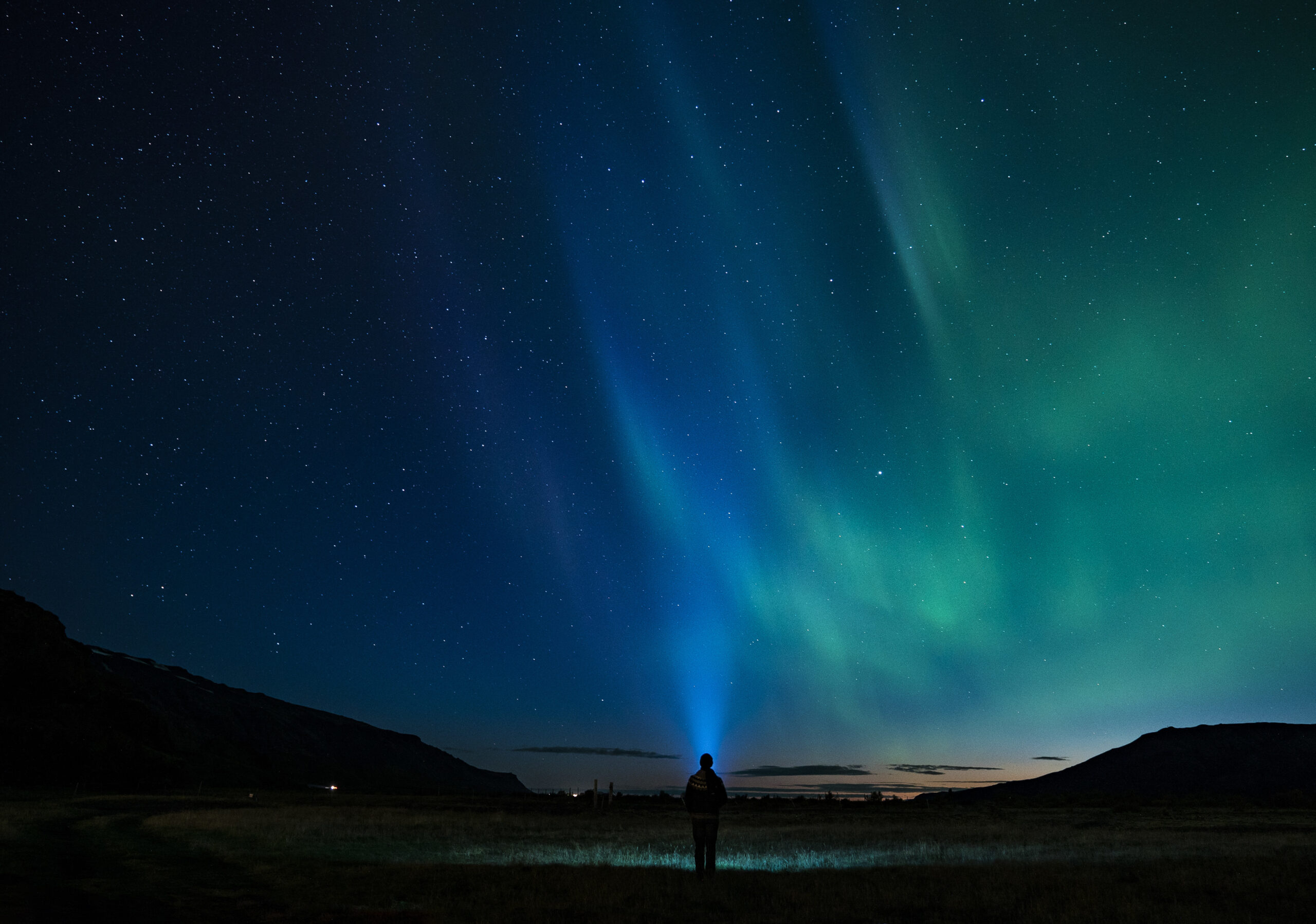
The Best Time to Visit Iceland for the Northern Lights
If you’ve been dreaming of Iceland—its wild landscapes, steaming geothermal pools, dramatic volcanoes, and maybe a glimpse of the elusive Northern Lights—you’re probably asking the one big question: When is the best time to visit Iceland?
Well, here's the reality: no shiny holiday brochure will share it with you. There isn't one "best" time of year to go to Iceland. It just depends on your priorities. Each season presents a totally different image of the island, and deciding when to go is more about priorities than trying to do everything at once.
Let's split it down, bluntly.
Summer (June to August): Midnight Sun, Comfortable Weather, and Tourists
The Good Stuff:
Talking about the best time to visit Iceland, Summer is high season in Iceland, and it's easy to understand why. Nice 10–15°C (50–59°F) weather, yes, it's Icelandic for "balmy." The days are daftly long, thanks to the Midnight Sun, never really dark. Literally, you can hike at 2 a.m. if that's your pleasure.
Road conditions are ideal. The famous Ring Road is fully open, the Highlands become accessible, and puffins are everywhere. It’s also festival season—Reykjavík comes alive with music, art, and food.
The Not-So-Good:
It’s crowded. Prices shoot up, accommodations book fast, and you’ll likely have to share those serene waterfalls with tour buses. Plus, forget about seeing the Northern Lights. The sky doesn’t get dark enough.
Best For: Beginners, road trippers, nature enthusiasts, families, and cold-weather haters.
Fall (September to October): Aurora Hunting Becomes Possible and Golden Landscapes
The Good Stuff:
Talking about the best time to visit Iceland, the Shoulder season is autumn, and it's a treasure. Landscapes turn golden red and gold, the air is cool, and it's no longer so packed. You start getting dark nights again—i.e., the Northern Lights are on the calendar again.
Temps are cool but not stifling (5–10°C/41–50°F), and it's simply enchanting to watch the leaves change color over a volcanic backdrop.
The Not-So-Good:
Talking about the best time to visit Iceland, some of the most remote locations start to shut down for the season, and the weather is volatile. Sunny one day, sleeting sideways the next.
Best For: Photographers, Aurora seekers, honeymoon couples, and travelers seeking the best of everything.
Winter (November to March): Snow, Ice Caves, and the Northern Lights
The Good Stuff:
Iceland in winter is desolate, alien-like, and gorgeous. It's snowed under, ice caves are open to adventure, and the Northern Lights are in top form. It's cheaper, and Reykjavík's Christmas atmosphere is charmingly low-key and intimate.
Talking about the best time to visit Iceland, during winters, daylight hours are short—only 4–5 at the December nadir—but those short hours are soaked in a honey-gold, movie-star light.
The Not-So-Good:
Talking about the best time to visit Iceland, during winters, it is cold (but not icy—usually -1 to 4°C/30–39°F), and storms are a nuisance. Roads get slippery, and a few secondary roads are closed altogether. If you don't enjoy driving in snow, do tours.
Best For: Northern Lights fans, adrenaline junkies, photographers, and off-the-map explorers.
Spring (April to May): The Underdog Season
The Good Stuff:
Talking about the best time to visit Iceland, Spring doesn't get the attention it deserves. Snow gives way to melting, waterfalls tumble, and days quickly get longer. Fewer visitors, lower prices, and renewal—literally. Seasonal birds make an appearance, baby lambs frolic in fields, and Reykjavík shakes off its winter gloom.
It's also a good time for budget-conscious travelers who like a less touristy setting.
The Not-So-Good:
Talking about the best time to visit Iceland, it can still snow during spring, the weather is notoriously unpredictable, and several highland roads remain closed. Northern Lights season is ending, and it can sometimes feel a bit in-between, not quite yet having the Midnight Sun, and Northern Lights sightings are not as common.
Best For: Budget travelers, return visitors, nature lovers who prefer solitude.
So, When Do You Go?
Talking about the best time to visit Iceland, do you want to see everything, drive the whole Ring Road, and avoid frostbite? Go in the summer.
Do you prefer fewer tourists, lower prices, and a chance for the Northern Lights? Go in autumn or spring.
Do you yearn for unfettered winter landscapes and the beauty of magical displays? Suffer through the winter.
There is no better time to visit Iceland—just different kinds of magic in store. Whether it is the endless daylight of June or the harsh stillness of January, Iceland offers an experience not to be missed.
Just bring a water-resistant jacket and a sense of adventure—and go.
Check out
our website for more details.